
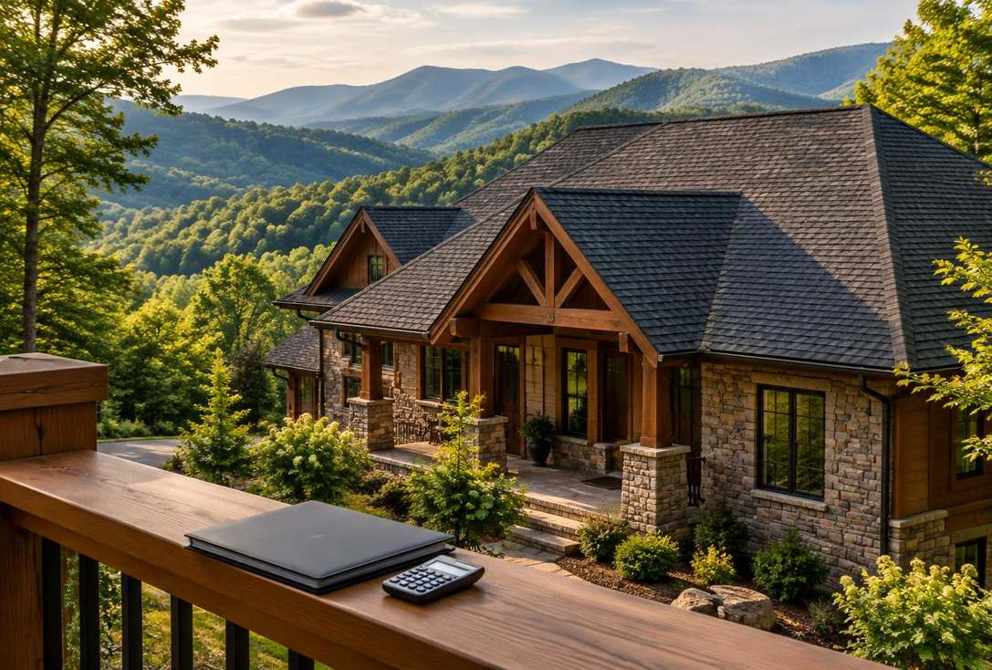
Is Roof Replacement Tax Deductible? A 2026 Homeowner Guide
Learn how roof replacement affects home basis, rental depreciation and disaster-loss records, plus why the federal residential solar credit ended after 2025.
Key Takeaways
A standard roof replacement on a personal residence is generally a capital improvement, not an immediate income-tax deduction. Rental property and qualifying casualty losses have different rules. For a new 2026 project, do not budget around the former 30% federal residential solar credit: the IRS says Section 25D is unavailable for property placed in service after December 31, 2025.
This guide is general information as of October 8, 2026, not tax advice. A qualified tax professional should apply the rules to your property, tax year, insurance proceeds and project documents.
Key Takeaways
- A new roof on a personal home generally increases adjusted basis rather than creating a current-year deduction.
- Repairing a personal roof generally does not create an income-tax deduction either.
- A replacement roof on a residential rental is normally capitalized and depreciated; classification and any exceptions need professional review.
- Ordinary roofing materials do not qualify for the former residential clean energy credit, and Section 25D ended for property placed in service after 2025.
- Keep contracts, invoices, completion dates and insurance records together.
Personal Residence: Improvement or Repair?
A complete tear-off and replacement normally restores a major building component and is treated as an improvement. IRS Publication 523 lists a new roof among improvements that can increase a home's basis. A localized flashing repair or replacement of a few damaged shingles may be a repair, but routine repairs to your personal home are generally not deductible simply because you paid a contractor.
Do not confuse an expensive project with a deductible expense. Personal use, rental use, the scope of work and applicable tax rules matter more than the size of the invoice.
How a New Roof Can Affect Your Home's Basis
Basis is the starting point for calculating gain or loss when property is sold. Qualifying improvements can increase adjusted basis. That does not automatically produce a tax refund or establish that a future sale will be taxable; selling costs, other adjustments and any home-sale exclusion also matter.
For illustration only, a home purchased for $300,000 with a qualifying $20,000 roof improvement would have a $320,000 basis before other adjustments. A later $450,000 sale would produce a $130,000 difference before selling costs, exclusions and other adjustments. These are hypothetical figures, not Highlander project prices or a personal tax calculation.
Insurance proceeds require special care. Casualty-related basis reductions, restoration costs and reimbursements interact; do not assume your new basis addition is always just the invoice minus the insurance check. Give your tax professional both the settlement and the repair documents so the adjustments are calculated together.
The Federal Solar Credit Changed Before 2026
The IRS Residential Clean Energy Credit page states that the credit was 30% for qualifying property installed from 2022 through December 31, 2025. It explicitly states that no credit is available for property placed in service after December 31, 2025. Signing a contract or paying a deposit before that date does not make a later installation eligible by itself.
Traditional shingles, roof decking and ordinary structural roofing did not qualify for that credit on their own. Certain solar roofing products that also functioned as solar collectors could qualify under the former rules, but that distinction does not revive the credit for a new 2026 installation.
If you are filing or amending a return for an eligible earlier installation, consult the instructions for that tax year and a qualified preparer. Do not carry older sales literature, manufacturer paperwork requirements or a 30% headline into a current project budget without checking the law.
The Section 25C Energy Efficient Home Improvement Credit also ended for property placed in service after December 31, 2025. Standard roof replacement should not be advertised as qualifying insulation or another eligible product. State, utility or other programs are separate and must be verified individually; this guide promises none.
Residential Rental Roofs: Capitalization and Depreciation
For residential rental property, a complete roof replacement generally is an improvement added to depreciable basis. Residential rental improvements are typically recovered over 27.5 years under the general MACRS system, with the applicable convention and placed-in-service date affecting the deduction. This is not a guarantee that every roof expense follows the same schedule.
A limited repair may be currently deductible if it is not a betterment, restoration or adaptation. Mixed personal and rental use, commercial property, accounting elections and applicable safe harbors can change the analysis. Keep the contractor's scope detailed enough for your preparer to distinguish a repair from a replacement.
Disaster Damage and Insurance Records
A casualty-loss deduction concerns the qualifying loss, not an automatic deduction for the replacement invoice. Declaration requirements, limits, reimbursement, timing and disaster-specific relief depend on the event and tax year. Ask a tax professional to confirm eligibility using current IRS disaster guidance and Publication 547.
Document conditions before and after the event when safe. Save your insurer's estimate, settlement letters, mitigation receipts and final contractor invoice. A shortfall between an insurance payout and a new roof price does not, by itself, establish a deductible casualty loss.
Paperwork to Keep During a Roof Project
- Keep the signed scope, itemized estimate, permits and each change order.
- Record start and completion dates and retain the final paid invoice.
- Save before-and-after photographs taken from safe locations.
- Keep insurance proceeds and emergency-protection receipts separate but in the same project folder.
- Record whether the property is personal, rental or mixed-use and give that information to your preparer.
- Retain basis records for as long as they may be needed to support a later sale or tax return.
Planning a Western North Carolina Roof Replacement
Mountain access, roof pitch, underlayment, flashing and hidden deck damage all affect the scope. They do not determine tax eligibility. Review our Western NC roofing cost guide and roof replacement services to understand the construction side, then have your tax professional review the financial treatment.
For damage documentation, read ACV versus RCV roof coverage. Insurance settlement and tax treatment are separate questions; an insurer's approval is not an IRS eligibility decision.
Primary Sources
- IRS Publication 523: Selling Your Home
- IRS Publication 527: Residential Rental Property
- IRS Publication 946: How To Depreciate Property
- IRS Publication 547: Casualties, Disasters, and Thefts
- IRS Residential Clean Energy Credit
- IRS Energy Efficient Home Improvement Credit
Discuss Your Mountain Home Project
Highlander Building Services, Inc. serves Western North Carolina homeowners. Contact our team or request an inspection to discuss a written project scope. Call (828) 524-7773. Visit our Franklin service area for local information.
Frequently Asked Questions
Is a roof replacement on my home deductible?
A replacement on a personal residence is generally a capital improvement that can increase basis, not an immediate deduction. Rental use and qualifying casualty losses have separate rules.
Can a new 2026 solar roof claim the 30% federal credit?
The IRS states that the Section 25D credit is unavailable for property placed in service after December 31, 2025. A contract or deposit before that date does not by itself qualify a later installation.
How is a residential rental roof treated?
A complete replacement is normally capitalized and depreciated, typically over 27.5 years under the general MACRS system. A tax professional should confirm classification, use, convention and any exceptions.
Does an insurance shortfall make replacement deductible?
Not by itself. Casualty-loss eligibility, tax-year rules, disaster declarations and insurance adjustments must be reviewed together. Keep both insurer and contractor records.
Which records should I save?
Keep the signed scope, itemized invoices, change orders, completion dates, permits and insurance documents. Retain basis records as long as needed to support later tax filings or sale calculations.
Related Services
Get pricing for your roof in Western NC
Measured, itemized, and explained — plus financing options if you want them.
- 4.8★ Google · 158 reviews
- Licensed & insured · family-owned since 2017
- Franklin-based crews across 10 WNC counties
Calls are answered by the local team during working hours. Messages are answered during business hours.
More Western NC resources
Mountain-Proven Results
Written By
Highlander Editorial Team
Highlander Building Services
Expert roofing and construction guidance from the team that builds in Western North Carolina's mountains every day.
Why Highlander
Talk to a local roofer
Photos, findings, and a written scope — no pressure to buy anything.
(828) 524-7773Request an InspectionStart with three simple contact details.
Roofing or construction, you do not need to diagnose the problem or finish a long intake first. Send your contact details and Highlander will discuss the project with you.
Prefer to talk directly?
(828) 524-7773- 4.8★ Google · 158 reviews
- Licensed and insured
- Crews based in Franklin, serving Western North Carolina