
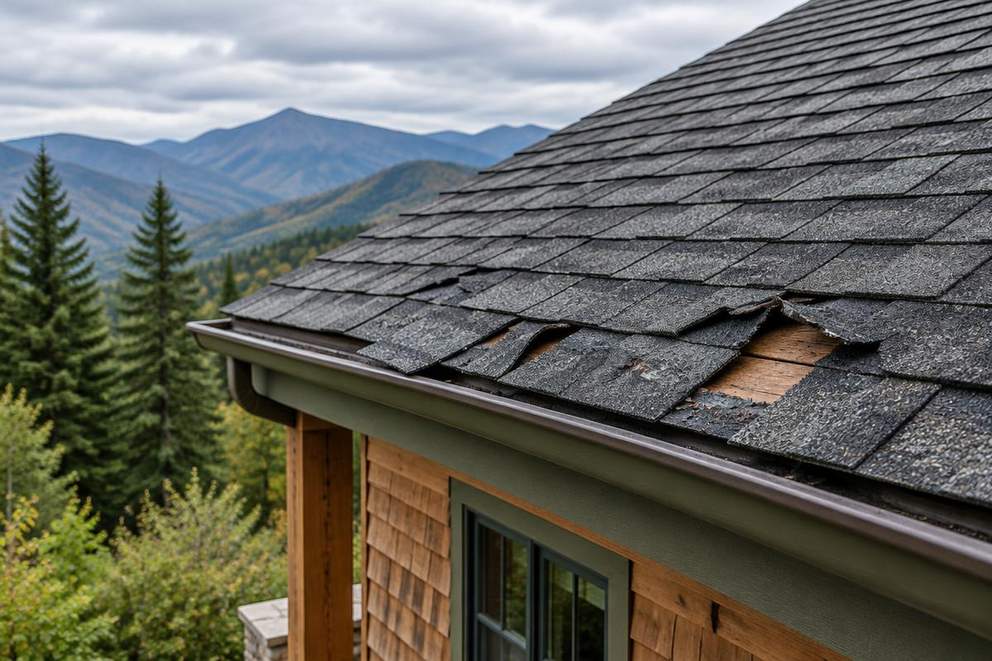
Wind-Damaged Shingles: Safe Storm Documentation in Western NC
Spot creased or missing shingles safely, document storm damage and compare repair options for your Western North Carolina roof.
Key Takeaways
Creased, torn or missing shingles can indicate wind damage, but granule loss alone does not establish storm cause. Photograph what you can see from the ground and contact a qualified roofer. Enter an attic only if access, footing, wiring and framing are safe.
TL;DR:
- Creased, torn or missing shingles may indicate wind damage. Granule loss alone does not establish a storm cause.
- Inspect from the ground with binoculars. Leave all roof access and tarping to qualified professionals and keep dated photos for your insurer.
- Age, sealing issues, and widespread damage suggest deterioration or installation problems rather than storm-related wind damage.
- Temporary repairs like properly anchored tarps and prompt interior moisture control can prevent further damage while waiting for professional assessment.
- Coverage depends on the policy, exclusions, deductible and assessed cause; a storm or inspection does not guarantee payment.
Recognizing wind damage: the visual signs to check first
Creased tabs, torn shingles and missing pieces are worth documenting from your yard. Granule loss can also reflect wear, and visible defects alone do not establish storm cause. Roof edges, rakes, eaves, hips and ridges can be vulnerable to wind uplift, so have a qualified roofer assess those areas.
When you photograph the roof, capture:
- Wide shots of each slope from multiple angles
- Close-ups of any lifted, creased, or missing shingles
- Flashing around chimneys, vents, and skylights
- Gutters and downspouts, where loose granules often collect
A high wind warning means sustained winds of 40 mph or greater, or gusts to 58 mph or greater, according to the National Weather Service. Knowing when those thresholds hit your area helps you connect a specific storm date to the damage you find.
How to inspect safely and document damage
Start from a safe ground-level location with binoculars. Do not climb onto a damaged roof or use a ladder to inspect it.
- Photograph each slope, then zoom in on anything that looks lifted, torn, or bare.
- Check gutters and the ground below downspouts for loose granules.
- Note the roof's age, any past repairs, and the date of the storm you suspect caused the damage.
- Check interior ceilings for stains; enter an attic only if access, stable footing and electrical conditions are safe.
- If you see an active leak or hear loose decking, call a professional immediately rather than waiting.
Pro Tip: Keep a simple log with the date, the storm, and every photo you take. It saves time when a contractor or adjuster asks for a timeline.
Distinguishing wind damage from age or installation problems
Not every lifted shingle is a storm victim. Sealed shingles that show fresh creases or tears point toward wind, while a uniform pattern of unsealed tabs across the whole roof usually signals age or a sealing problem that predates the storm.
- Zippering, where a row of tabs lifts in a straight line, often traces back to installation rather than wind.
- Thermal blistering and widespread granule loss without creasing usually point to age, not a storm event.
- Directional damage, concentrated on the side facing the storm, along with collateral signs like broken branches or dented siding, supports a wind claim.
IBHS Roof Aging Farm research found that asphalt shingle wind performance varies widely by product and age, with many shingles losing wind resistance after several years, and unsealing standing out as a major driver of vulnerability. That is one more reason to record your roof's age and product line before filing a claim.
Immediate actions: temporary protection and minimizing interior damage
Arrange professional temporary protection if needed. Tarp attachment must suit the actual roof and conditions; leave that work to a qualified crew.
- Move furniture and valuables away from any active leak.
- Use buckets only where safe. Keep away from wet electrical fixtures and sagging ceilings; arrange qualified drying assistance.
- Photograph professional temporary protection and keep receipts; ask your insurer which mitigation costs your policy covers.
- Leave permanent patches to a qualified professional. A rushed fix may conceal damage or create new leak paths.
Pro Tip: If the storm hit at night or the roof is steep, wait for daylight and a professional rather than tarping in risky conditions.
Insurance and claims: what to document and how cause affects coverage
Notify your insurer promptly and ask about reporting deadlines. Collect a clear dated record without delaying notification.
- Gather dated photos from your own inspection alongside a contractor's written report.
- Ask your contractor to preserve removed material safely for insurer review; do not remove shingles yourself.
- Note any interior damage, including stains, drips, or damp drywall, with dates and photos.
- Ask your contractor for an itemized scope of work, since a detailed estimate carries more weight in adjuster negotiations than a verbal quote.
- If your claim is denied or underpaid, request a second inspection before accepting the outcome.
Coverage depends on policy wording, exclusions, endorsements and the assessed cause. Some policies use a separate wind or hail deductible, potentially based on a percentage rather than a flat amount. Ask your insurer to explain these terms in writing. A qualified roofing contractor can assess conditions that are not visible from the ground.
Repair vs. replacement: criteria pros use and cost drivers
A roofer weighs repairability, product availability, roof condition, decking and flashing. Age alone does not establish storm damage or require full replacement.
- Localized tab replacement works when damage is confined to a small, clearly bounded area.
- Full replacement becomes the better option when missing shingles are widespread, the decking shows rot or soft spots, or unsealing has spread across an older roof.
- Flashing and fastener condition often decide whether a repair holds or fails again in the next storm.
Repair timing depends on access, weather, materials, hidden damage and crew availability. Review our roof repair versus replacement guide before assuming either option is necessary.
Prevention and maintenance to reduce wind vulnerability
A short annual checkup, plus a look after any major storm, catches small problems before they become claims. Ask your roofer about the starter strip and edge metal on your next re-roof, since proper installation at the edges is often what keeps shingles sealed in high wind.
- Schedule a roof check every spring and after any severe storm.
- Trim overhanging branches that can scrape shingles loose or fall during high wind.
- Clean gutters regularly so water has somewhere to go besides under your shingles.
- Keep a record of your roof's installation date and product line for future reference.
Pro Tip: Ask your contractor for the shingle brand and wind rating at installation. That single detail speeds up every future inspection.
What a professional inspection looks like
A thorough inspection covers every slope, the flashing, the fasteners, and the attic, not just the spots visible from the driveway. Professional roofing services document findings with photos, measurements, and a written scope that separates recommended repairs from replacement, so homeowners see exactly what is being proposed and why. Local factors like elevation, exposure, and wind uplift patterns specific to mountain terrain often shape those recommendations, and estimates commonly come with pricing in writing before work starts.
A professional viewpoint on documentation and long-term repair
Patching a small area makes sense when the rest of the roof is sound. It becomes a problem when it delays a replacement an aging roof already needs. A clear written scope, backed by photos, keeps everyone honest and avoids disputes later. Hire someone who will tell you the truth about which one you need.
How Highlander Building Services helps after wind damage
Wind damage rarely waits for a convenient time, and having a professional crew who can document the problem correctly the first time saves you both money and back-and-forth with an adjuster. Roofing and construction companies serving mountainous regions with challenging weather offer services including emergency tarping, storm-damage inspections with photo documentation, roof repair and full replacement with matching shingle products where available, and written, itemized scopes with pricing before any work begins.
If you suspect wind damage, request a storm damage inspection and have your storm date, any photos you have already taken, and your roof's approximate age ready when you call.
Discuss Your Roof in Western North Carolina
Highlander Building Services, Inc. can discuss your storm damage concerns, roof repairs or roof replacement. Request an inspection and bring your storm date, photos and policy questions. See our Franklin service area or contact our team.
Frequently Asked Questions
Should I climb onto the roof to document damage?
No. Take photos from safe ground-level positions and leave roof access, close-up measurements and temporary tarping to qualified professionals.
Does a storm inspection guarantee insurance coverage?
No. Your policy, endorsements, exclusions, deductible and the assessed cause determine coverage. Notify your insurer promptly and request its requirements in writing.
What records should I keep?
Keep original dated photos, storm dates, maintenance records, mitigation receipts, contractor reports and notes of insurer conversations. Back up originals separately from annotated copies.
Does storm damage always mean a full replacement?
No. Repairability depends on the extent of damage, remaining roof condition, deck and flashing integrity, product availability and applicable installation requirements.
Related Services
Get your roof checked after the storm in Western NC
Call and talk to someone local, or request an inspection and we'll come document the damage in person.
- 4.8★ Google · 158 reviews
- Licensed & insured · family-owned since 2017
- Franklin-based crews across 10 WNC counties
Calls are answered by the local team during working hours. Messages are answered during business hours.
More Western NC resources
Mountain-Proven Results
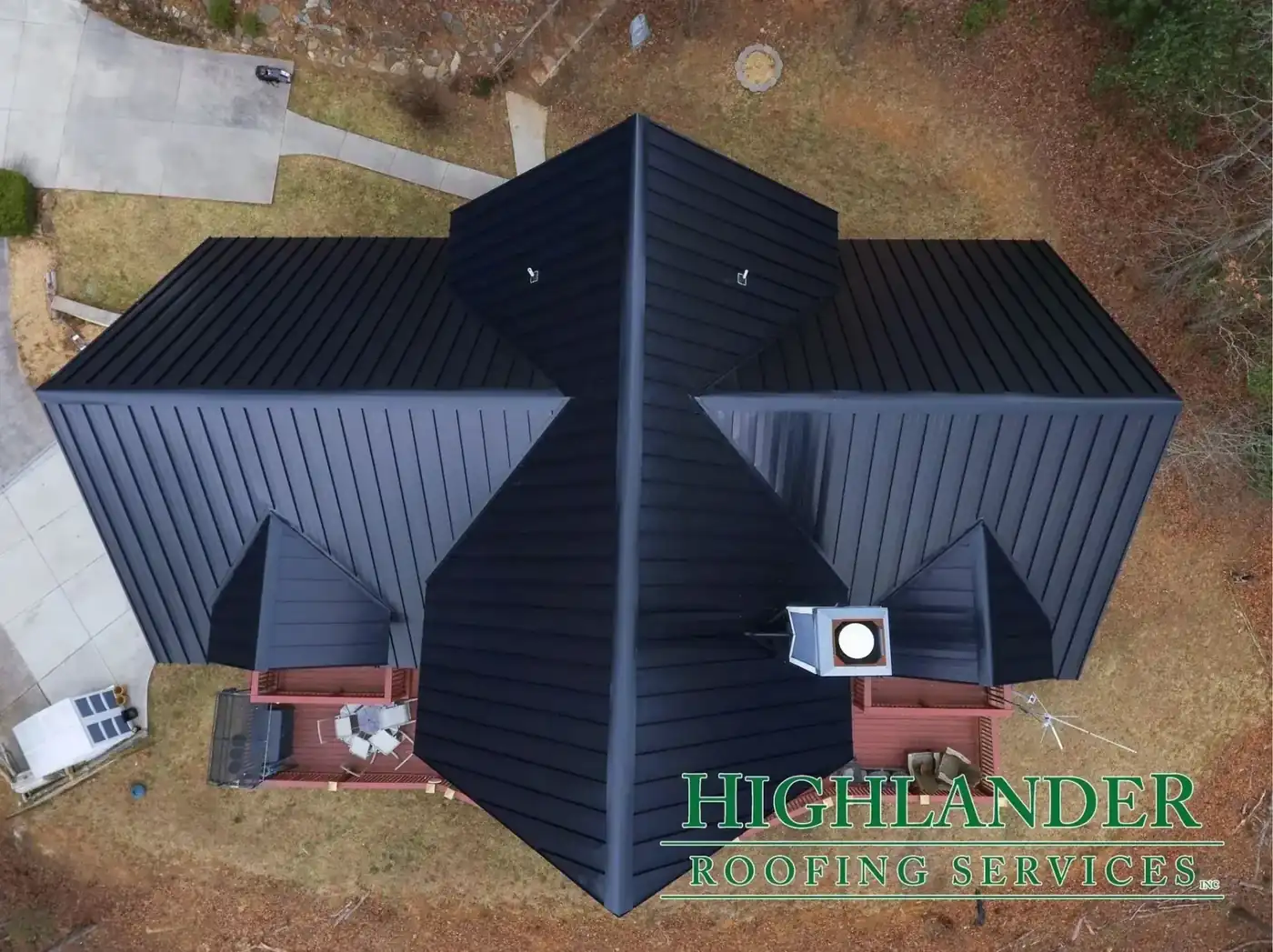
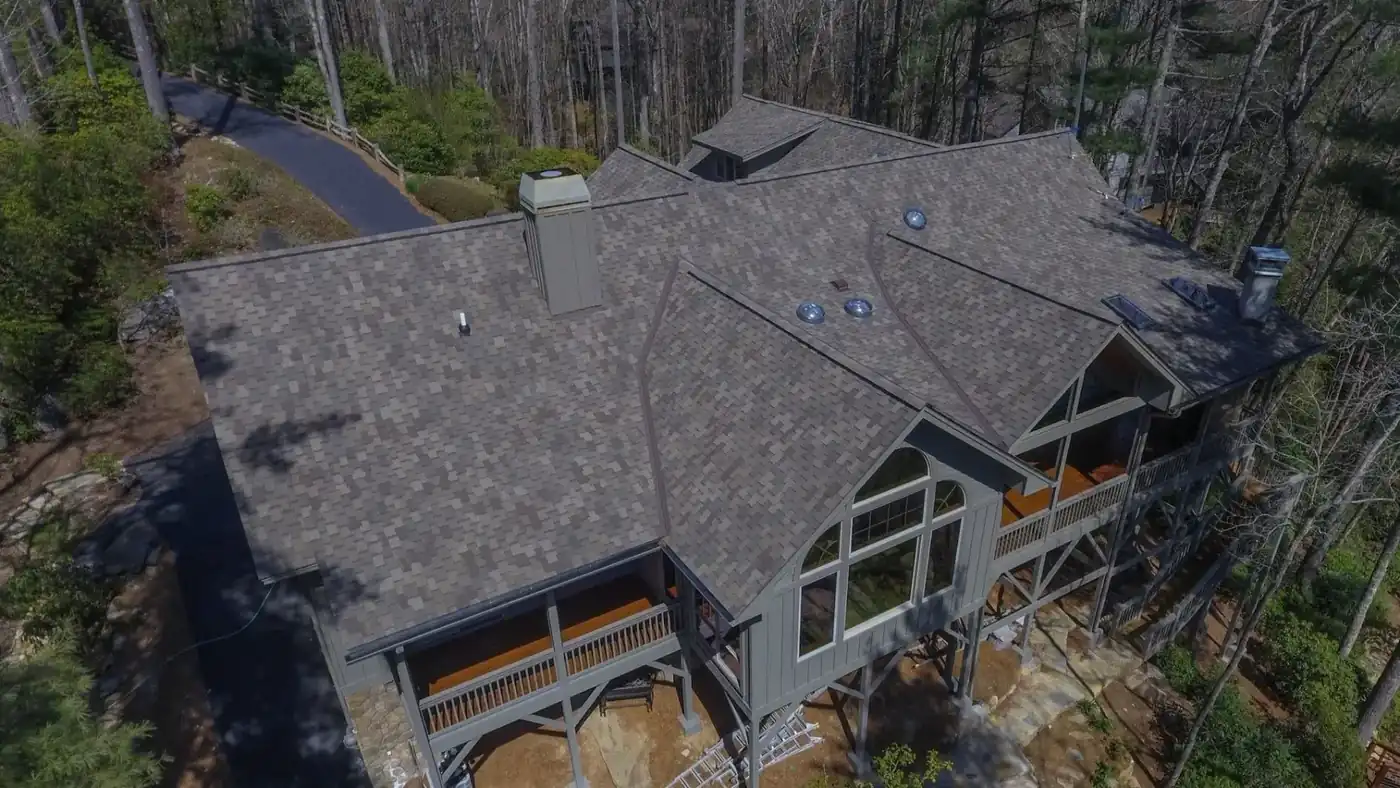
Written By
Highlander Editorial Team
Highlander Building Services
Expert roofing and construction guidance from the team that builds in Western North Carolina's mountains every day.
Why Highlander
Talk to a local roofer
Photos, findings, and a written scope — no pressure to buy anything.
(828) 524-7773See Storm DamageStart with three simple contact details.
Roofing or construction, you do not need to diagnose the problem or finish a long intake first. Send your contact details and Highlander will discuss the project with you.
Prefer to talk directly?
(828) 524-7773- 4.8★ Google · 158 reviews
- Licensed and insured
- Crews based in Franklin, serving Western North Carolina