
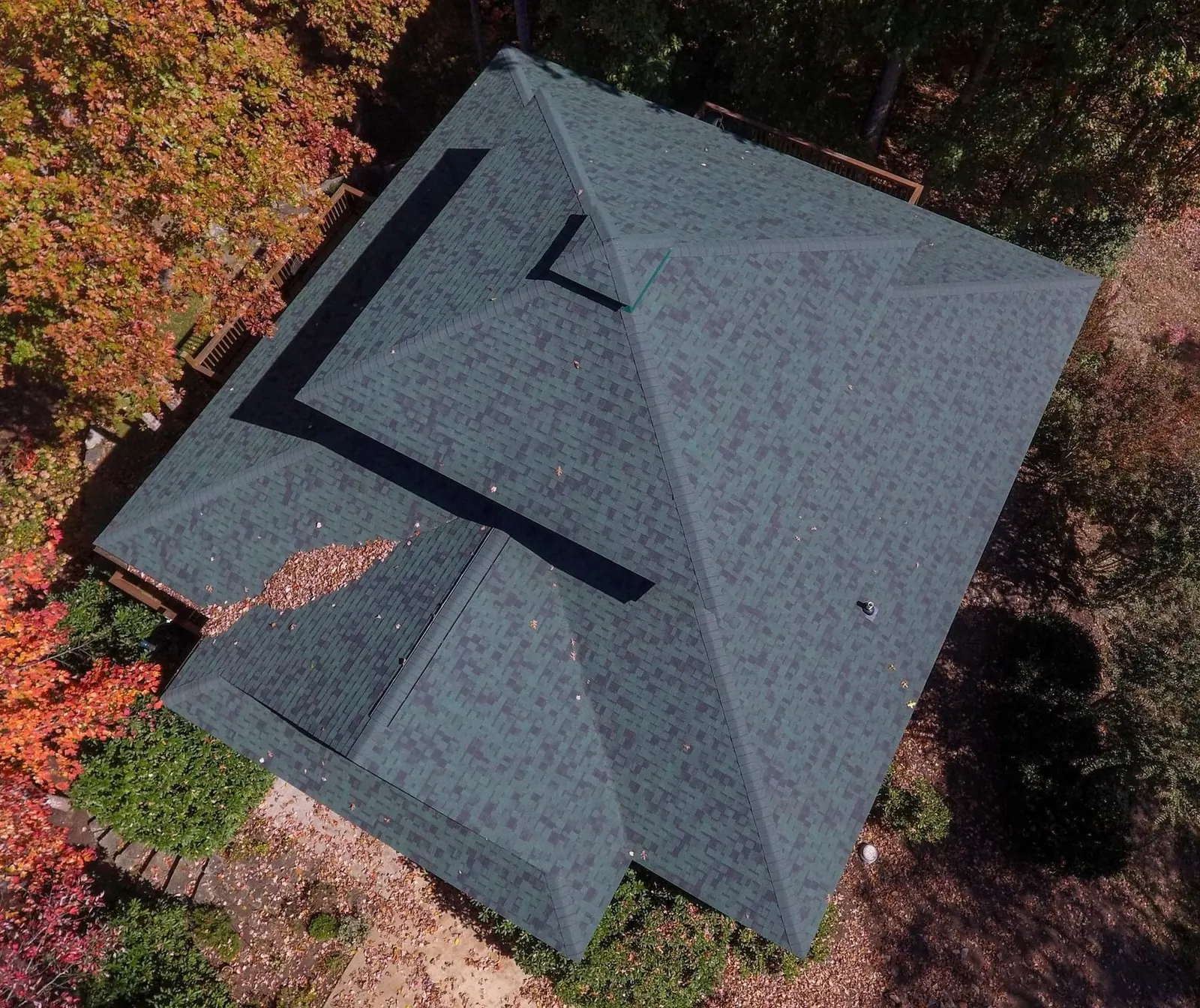
Storm Damage Roof Repair in Western NC
After the Storm. Before the Next One.
Storm damage repair across Western North Carolina: a documented assessment of wind or hail damage, repair or replacement guidance, and a local team you can contact directly.
Storm damage can be stressful. Call during office hours to explain what happened, or send a request so the team can discuss the appropriate next step.
What To Do Right Now
- 1Stay clear of downed limbs, loose metal, and any hanging debris — safety before assessment.
- 2From the ground, photograph the roof, yard debris, siding, gutters, and any interior damage.
- 3Write down the date and time of the storm — your insurer will ask for the date of loss.
- 4Do not sign anything a door-knocking storm chaser hands you. Local contractors don't need pressure tactics.
- 5Call us during business hours about a temporary tarp and a documented damage assessment before the next rain.
Post-storm call volume climbs fast, so after a named storm we run a triage list and prioritize active leaks first: tarping and open-roof conditions, then full documentation of the damage.
Request a Documented Damage Assessment.
If nothing is leaking right now, send four quick fields and we'll schedule an inspection with photo documentation for your records or your claim.
Get help with storm damage.
Three quick fields. We will discuss the property and project details with you after the request is stored.
- 4.8★ Google · 158 reviews
- Licensed and insured
- Crews based in Franklin, serving Western North Carolina
We Document It So Your Claim Isn't Guesswork.
Most denied or underpaid claims come down to thin documentation. We handle the paperwork side of a damage claim as carefully as the roof work itself. We are not adjusters and we don't decide your claim — we give you and your insurer the same clear evidence.
Photo documentation
Dated close-ups and wide shots of every damaged area, plus interior evidence, organized into one file you can forward to your adjuster.
Written scope of loss
A line-item scope describing what failed, what it will take to repair it correctly, and the materials specified for your roof.
Adjuster meetings
We can be on the roof with your adjuster so the damage is reviewed the same way by both sides — fewer surprises in the settlement.
Honest claim guidance
If the damage is below your deductible, we say so. We never advise filing a claim that isn't in your interest.
Quick answer
What is storm damage roof repair in Western NC?
Storm damage work starts with documenting the damage caused by wind, hail, or falling trees, protecting the home from further water intrusion, and then restoring the roof system. In the mountains, damage is often concentrated on exposed slopes and at flashing points rather than spread evenly. Highlander inspects, documents, and repairs storm-related roof damage across Western North Carolina.
- Damage documentation for your insurance claim
- Temporary protection to stop further water intrusion
- Full repair or replacement once scope is set
Western North Carolina weather doesn't warn you. It tests your roof, and sometimes it wins.
From strong winds along the Blue Ridge to summer hail in the foothills, storm damage in our region is both common and uniquely challenging. Highlander responds to storm damage calls across Western North Carolina with the same calm, thorough approach every time. No panic, no pressure: just honest answers, professional documentation, and clear options.
How Storm Damage
Shows Up on Your Roof.
Not all storm damage is obvious. Some of the most consequential damage is invisible from ground level — which is why professional assessment matters.
Wind Damage
Mountain ridgelines and exposed elevations experience sustained gusts that lift, crack, and strip shingles, weakening the seal between courses — sometimes without visible ground-level evidence. A roof damaged by high winds often shows lifted edges, creased tabs, or exposed underlayment on slopes facing prevailing weather.
Hail Impact
Hail doesn't always punch holes. More often it bruises shingles — breaking the granule surface and accelerating UV degradation. These impacts may be invisible from the ground but are clear to a trained eye up close.
Heavy Rain & Water Intrusion
Prolonged mountain rain events test every seal, flashing joint, and penetration on your roof. Water follows the path of least resistance — and after a storm, that path may have changed. Interior stains, attic moisture, and soffit dripping all indicate breach points.
Falling Debris & Tree Impact
Overhanging limbs, wind-thrown branches, and fallen trees cause punctures, structural damage, and displaced flashing. Even smaller branches can crack ridge caps or dislodge vent covers, creating entry points for water during the next rain.
What to Do
After a Storm.
The first 48 hours after a storm matter. Here's what we recommend — and what to avoid.
Stay Safe: Assess from the Ground
Do not climb onto your roof after a storm. Look for visible damage from the ground: missing shingles, displaced flashing, fallen branches, or debris in gutters. Photograph anything you notice.
Check Interior Spaces
Walk your attic if accessible. Look for daylight through the decking, wet insulation, or water stains on sheathing. Check ceilings and walls in upper floors for new stains or dripping.
Document Everything
Photograph damage from multiple angles — exterior and interior. Note the date, time, and type of storm. This documentation becomes critical for insurance purposes and professional assessment.
Call a Trusted Local Roofer
Call to explain what happened or send a request to have the roof looked at. Roofers get busy after major storms, so Highlander will discuss the appropriate next step based on the damage, weather, safety, and current scheduling.
Do Not Sign Anything from Door-Knockers
After major storms, out-of-area storm damage roof repair contractors canvass neighborhoods aggressively. Do not sign contracts, agreements, or assignments of benefits with anyone who shows up unsolicited. Work with local pros you can verify.
Storm hit your area recently?
Call during office hours for active leaks or storm damage; outside office hours, send a request for follow-up.
Repair the Damage.
Or Replace the Roof.
Whether to repair or replace depends on the extent of damage, your roof's age, and your long-term plans. Here's how we help you decide.
Targeted Repair
- Damage is limited to one slope or a specific area
- Missing shingles can be matched and replaced in-kind
- Flashing or penetration damage is isolated and repairable
- Underlying decking and structure are sound
- The roof is under 15 years old with no prior systemic issues
Full Replacement
- Multiple slopes show widespread shingle damage
- Hail has bruised shingles across large areas, compromising granule integrity
- Decking is soft, water-damaged, or structurally compromised
- The roof was already aging and the storm accelerated its timeline
- Insurance assessment supports full replacement scope
Need storm damage roof repair services? Start with a clear next step.
Professional assessment, complete documentation, honest guidance — from a local team.
The storm damage repair process, from the storm to the settled claim
Storm work runs in a sequence. Each stage has its own scope, and you should know which one you are in.
Emergency response and tarping
After a storm the first job is stopping water getting in, not agreeing a scope. A properly fastened tarp buys the time to inspect, document and price the repair without the ceiling coming down in the meantime.
- Temporary tarping fastened to hold in wind, not weighted down
- Interior protection where water has already entered
- The temporary work documented as part of the claim
Storm damage inspection and documentation
Wind and hail damage has to be recorded the way your insurance provider expects to receive it: dated photographs, slope-by-slope notes, and the mechanism of damage described in claim language. It is the kind of record adjusters appreciate, and it is what turns an inspection into a decision.
- Slope-by-slope photographic record with dates
- Creased shingles, lifted ridge caps, bruising and displaced flashing identified
- A written scope you keep, whether or not you file
Insurance claim support
We do not file the claim for you and we are not your adjuster. What we do is meet the adjuster on site, walk the same roof, and supply the documentation and line-item scope so the two sides are looking at one set of facts.
- Adjuster meetings on site, with our findings in hand
- Line-item scope that maps to the carrier's estimate
- Supplements documented where the original scope missed work
Permanent repair or replacement
Once the roof is dry, the damage is documented and the claim is settled, we can move to repair. The question is whether you have localized damage or a system that has reached the end of its life. Both answers are legitimate, and the inspection tells you which one you have.
- Targeted repair where the deck and the surrounding field are sound
- Full replacement where damage is spread across slopes
- Upgrades priced separately so you can see what the carrier covers
What one more season usually changes
Storm-loosened shingles and bent flashing often shed water fine in light rain, which is why damage gets postponed. The next wind-driven rain or ice event is what drives water under the courses that were lifted.
Waiting a season also complicates the claim: carriers expect damage to be documented and mitigated close to the date of loss, and later interior damage can be attributed to delayed repair rather than the storm.
Decking rot
Lifted shingles let repeated intrusion soak the deck under an otherwise intact-looking roof.
Insulation loss
Attic insulation absorbs the intrusion first and quietly loses R-value before anything is visible below.
Interior damage
Ceilings, trim, and finishes are the last thing to show — and the most expensive part to put back.
What actually drives storm damage cost here
We do not publish a headline price, because a number pulled off a chart is not an estimate — and in Western North Carolina, two properties on the same street can price very differently. What we can do is show you every variable that moves the number, then put a written scope in your hands.
What the documentation shows
On an insurance claim, storm damage roof repair cost is set against documented damage. Photo evidence, measurements, and test squares determine what gets approved and what does not.
Your policy terms
Storm damage roof repair coverage comes down to your policy: the deductible, replacement-cost versus actual-cash-value terms, and code-upgrade coverage change your out-of-pocket far more than our labor rate does.
Emergency stabilization
Tarping, water intrusion control, and temporary protection are separate line items handled before permanent storm damage restoration begins.
Site access
Narrow gravel drives, steep grades, and tight tree lines change how materials get staged and how debris comes off the property — sometimes by hand instead of by truck.
Hidden structural damage
Impact damage to decking, fascia, and framing is often found after tear-off. We document it and submit it as a supplement rather than absorbing or hiding it.
What your written estimate includes
- Photo-documented damage report you can hand directly to your adjuster
- Line-item scope written in the format carriers expect
- Clear separation of emergency stabilization from permanent repair
- Supplement handling if hidden damage appears after tear-off
- Upfront pricing, with your deductible and coverage stated plainly and no surprise balances at the end
Want a real number?
Tell us the address and the date of the storm. We document the damage on site, give you the photo report and line-item scope, and walk your claim with you from there.
Scheduling reality in the mountains
Current lead timeInspections are typically scheduled within a few business days. Scheduled storm damage usually starts a few weeks out, and that queue lengthens after every significant storm.
Weather windows narrowAt Western NC elevations, late fall and winter bring cold mornings, ice, and wind. Shingle sealing and safe steep-slope access both depend on dry, warmer days, so usable install days get scarce.
Cost of waitingIf a roof is already compromised, water keeps moving through it. Small leaks turn into wet decking, insulation, and drywall, which widens the repair scope and the price.
We do not run countdown offers. If the roof can safely wait until spring, we will tell you that during the inspection.
How Highlander Assesses
Storm Damage.
A structured, professional assessment designed to give you — and your insurance company — a complete picture of what happened and what needs to happen next.
Full Roof & Property Inspection
We inspect every slope, penetration, flashing point, ridge, valley, and transition — not just the area where damage is visible. Storm damage is rarely limited to one spot.
Comprehensive Photo Documentation
Every finding is photographed with detail and context shots. This documentation serves your insurance claim and gives you a permanent record of what was found and where.
Written Damage Report
You receive a clear, written summary of all damage identified — categorized by severity, location, and recommended action. We list pre-existing wear separately. No vague language, no inflated urgency.
Honest Recommendation
We tell you what needs immediate attention, what can be monitored, and whether repair or replacement is the better path. If your roof weathered the storm well, we'll tell you that too.
We Document.
You Decide.
Filing an insurance claim after storm damage can feel overwhelming. While we are not public adjusters and do not decide coverage, we can provide contractor documentation and on-site information about the observed damage and proposed work.
Our goal is to document the roof condition and proposed work clearly so you have useful contractor information for conversations with your carrier or adjuster.
What We Provide for Your Claim
- Complete photo documentation of all identified damage with measurements
- Written damage report with findings organized by location and severity
- Material and labor scope documentation for your adjuster's review
- On-site availability to walk the roof with your insurance adjuster
- Supplemental documentation if the initial adjuster assessment misses covered damage
Note: Highlander Building Services provides documentation and contractor support for insurance claims. We do not act as public adjusters, and we never recommend filing claims for damage we have not verified.
Post-Storm Damage
Assessment Guide
Check each item you observe after a storm. We'll help you understand the urgency and recommended next steps — specific to WNC conditions.
Exterior Signs
(check from ground level)Interior Signs
0 of 10 items checked
Roofs Built for Mountain Weather.
Completed Highlander roofs in Western North Carolina. After a storm, we photograph the damage and walk you through it before any work is scoped.
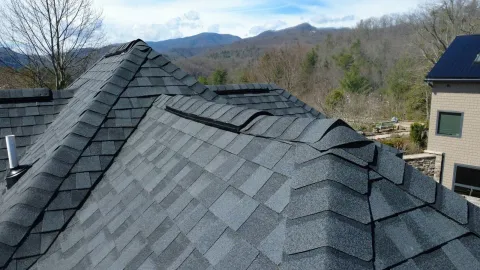
Charcoal dimensional shingles
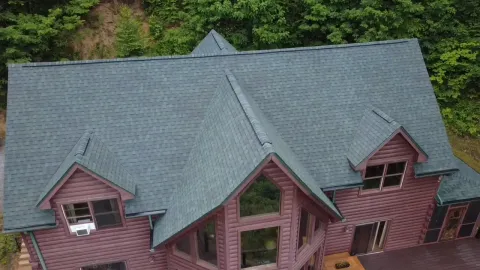
Green shingles on a log home
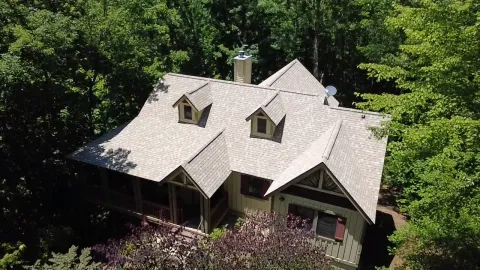
Dormered cottage re-roof
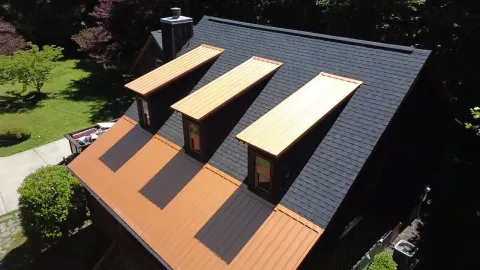
Shingles with metal accents
Why Highlander:
Especially After a Storm.
Licensed, Insured, and Permanent
We're not a storm-chasing crew that appears after weather events and disappears after cashing checks, and we don't specialize in storm damage alone. Highlander is a licensed, insured, locally established roofing company with a permanent address in Western North Carolina.
Urgent Roof Guidance
For active leaks or storm damage, call during office hours to explain what is happening. Outside office hours, send a request for follow-up. Temporary protection depends on conditions, safety, and availability.

Manufacturer Certified
As CertainTeed ShingleMaster PREMIER credentialed installers, our repair and replacement work meets manufacturer standards — which matters when warranty coverage is part of the conversation after storm damage.
Mountain Storm Experience
Highlander works on mountain roofs exposed to wind, heavy rain, hail, fallen debris, and seasonal weather across Western North Carolina.

Luke Smith
Owner & Founder

Kristy Smith
Owner & Financial Manager
Who shows up at your property.
Highlander Building Services is owned and operated by Luke and Kristy Smith. Every project gets a single named point of contact from inspection through completion — backed by Western NC-based crews and a Franklin office that answers the phone.
One named contact
Same person from quote to final walkthrough.
Western NC crews
Based in Franklin, not a traveling subcontractor network.
Owner-led
Luke and Kristy set the standards the team follows.
Pick the next step that fits
Some people need someone on the roof this week. Others are six months out and still gathering information. Both are welcome — start wherever you actually are.
Get eyes on it and a number in writing
On-site look, photo documentation, and a written scope you can compare line by line.
- 4.8★ Google · 158 reviews
- Licensed and insured
- Crews based in Franklin, serving Western North Carolina
What homeowners say about our storm damage work
Having discovered a leak over a stormy week end, I left a request for assistance by message at Highlander Roofing. Within the next couple of hours, I received a response letting me know that an emergency crew would be responding to "tarp" the leak while awaiting roof repair. As promised, a professional crew responded and immediately stopped the leak. Within the next three weeks, I had a new, professionally looking roof installed at a reasonable price. Outstanding service and my sincere thanks to the entire Highlander Roofing Team!
Josh and his crew are fantastic and I highly recommend this company for their conscientious approach and speed in service delivery. I sustained a 5-in hole in my garage roof in Dillsboro(long story) and called Highlander in some desperation given rain that evening in the forecast. Josh came by that morning, scoped the job, and then swung by with a crew that same afternoon and replaced the plywood between the rafters and matched the shingles in a seamless job, then cleaned up so well you couldn't tell they had been there. I can't thank the team at Highlander Roofing enough - they are my roofer from here on!
NC GC #87668
North Carolina General Contractor license
Family-owned in Franklin since 2017
Showrooms in Franklin & Sylva
4.8★ · 158 Google reviews (as of September 2026)
Google Business Profile reviews
19 WNC towns served
Across 10 mountain counties
Recent: Metal Roofing
Highlands, NC · 3,200 sq ft roof replacement
Frequently Asked Questions After
Storm Damage.
If water is entering the home, protect the interior if you can do so safely and call Highlander during office hours. Outside office hours, send a request for follow-up. Do not climb onto a wet or damaged roof. Assessment and temporary protection depend on conditions, safety, and availability.
We provide thorough documentation — photographs, written damage reports, and material/labor scopes — that supports your claim. We'll meet with your insurance adjuster on-site and provide supplemental documentation if the initial assessment misses covered damage. We do not file claims on your behalf or act as public adjusters.
Temporary weather protection can help limit additional water entry, but it should only be installed when conditions are safe. Call Highlander during office hours to discuss the situation, and do not climb onto a wet or damaged roof yourself.
Legitimate contractors don't go door-to-door pressuring you to sign contracts hours after a storm. When you compare local contractors, check for a permanent address, verifiable licensing and insurance, manufacturer certifications, and an established track record in Western North Carolina. If someone offers to 'waive your deductible,' that's a red flag — it's illegal in North Carolina.
If we've documented legitimate storm damage and the claim is denied, we can provide additional documentation and meet with a re-inspector. We'll give you an honest assessment of whether the denial seems justified or whether further pursuit is warranted. We never pressure homeowners to file claims for damage we don't believe exists.
Absolutely. Hail bruising — where the impact breaks the granule bond without visibly dislodging granules — is extremely common and virtually invisible from ground level. It accelerates aging and voids certain warranty protections. A professional roof inspection is the only reliable way to identify it.
Not necessarily. If damage is isolated to one area and we can match your existing materials, targeted repair is often the right approach. However, if damage is widespread or your roof was already near end-of-life, the storm may have simply accelerated a timeline that was already approaching. We'll give you an honest assessment either way.
Keep people away from the affected area and do not climb onto the roof or attempt to remove the tree yourself. Contact the appropriate emergency service if there is an immediate safety hazard, then call Highlander during office hours to discuss roof assessment and repair options.
Related reading and local coverage for Storm Damage Response
- Storm Damage Roof Inspection: A Homeowner Photo Checklist
Document roof storm damage safely from the ground, organize dated photos and prepare questions for a professional inspec
- Wind-Damaged Shingles: Safe Storm Documentation in Western NC
Spot creased or missing shingles safely, document storm damage and compare repair options for your Western North Carolin
- One Inch Hail? An Insurance Ready Roof Checklist
How to spot hail damage by roofing material, document it safely from the ground, and build an insurance ready record for
- Storm Damage Response in Franklin
Franklin, NC · Macon County · 2,119 ft
- Storm Damage Response in Highlands
Highlands, NC · Macon County · 4,118 ft
- Storm Damage Response in Cashiers
Cashiers, NC · Jackson County · 3,484 ft
- Storm Damage Response in Sylva
Sylva, NC · Jackson County · 2,037 ft
- Roof Replacement Cost in Western NC (2026)
Material tiers, repair bands and what moves the price.
- Seamless Gutters & Gutter Guards
Sized for mountain rainfall and installed with the roof.
- All Service Areas
Every Western North Carolina town we cover.
- Get My Written Estimate
Written scope from a Western NC team — 828-524-7773.
Common concerns, answered straight
The five questions we hear most often — and exactly what we do about each one.
"I don't know what this will cost."
We measure your roof on site and send a written, grouped-cost scope that names materials, quantities, and labor line by line. You see what drives the number before you decide anything, and nothing is added later without a signed change order.
"I don't want to fight my insurance company."
We document the damage with dated photos and a written condition report you can submit with your claim, and we can meet the adjuster on site so everyone is reading the same roof. We do not decide your claim, but we make sure the evidence is complete and the scope language is clear.
"Contractors always run behind."
Mountain weather moves schedules, so we build the calendar around real weather windows and tell you the plan in writing before materials are ordered. If a date shifts, you hear it from your project contact the same day rather than finding out from an empty driveway.
"Who is actually showing up at my house?"
Our crews are Franklin-based and led by a foreman you meet before work starts, not a rotating pool of day labor. You get one named point of contact for the whole project and daily progress updates while the crew is on your property.
"I'll be cleaning up nails for a year."
We tarp landscaping and staging areas, keep debris moving to the dumpster through the day, and run magnetic sweeps of the drive and lawn before we leave each evening. The final walkthrough is done with you, and anything you spot gets handled before we call it complete.
Your Roof Already Took the Hit.
Let's Make Sure It's Still Protecting You.
A professional storm damage assessment takes less than an hour and gives you the clarity to make confident decisions — whether that means a simple repair, a full replacement, or the reassurance that your roof came through just fine.
CertainTeed ShingleMaster PREMIER