
What a Real Roof Inspection Covers (and What to Demand in Writing)
A roof inspection should produce evidence, not a verdict. Here is exactly what gets checked, what documentation you should receive, and the warning signs of an inspection designed to sell you a roof.
Key Takeaways
An inspection is evidence, not an opinion
If someone climbs on your roof and comes down with a verdict but no photographs, you did not get an inspection. You got a sales call. A real inspection produces a documented record of the roof's condition that you can act on now, keep for comparison later, and hand to an insurer or a buyer if you need to.
Here is what should actually happen.
The exterior walk
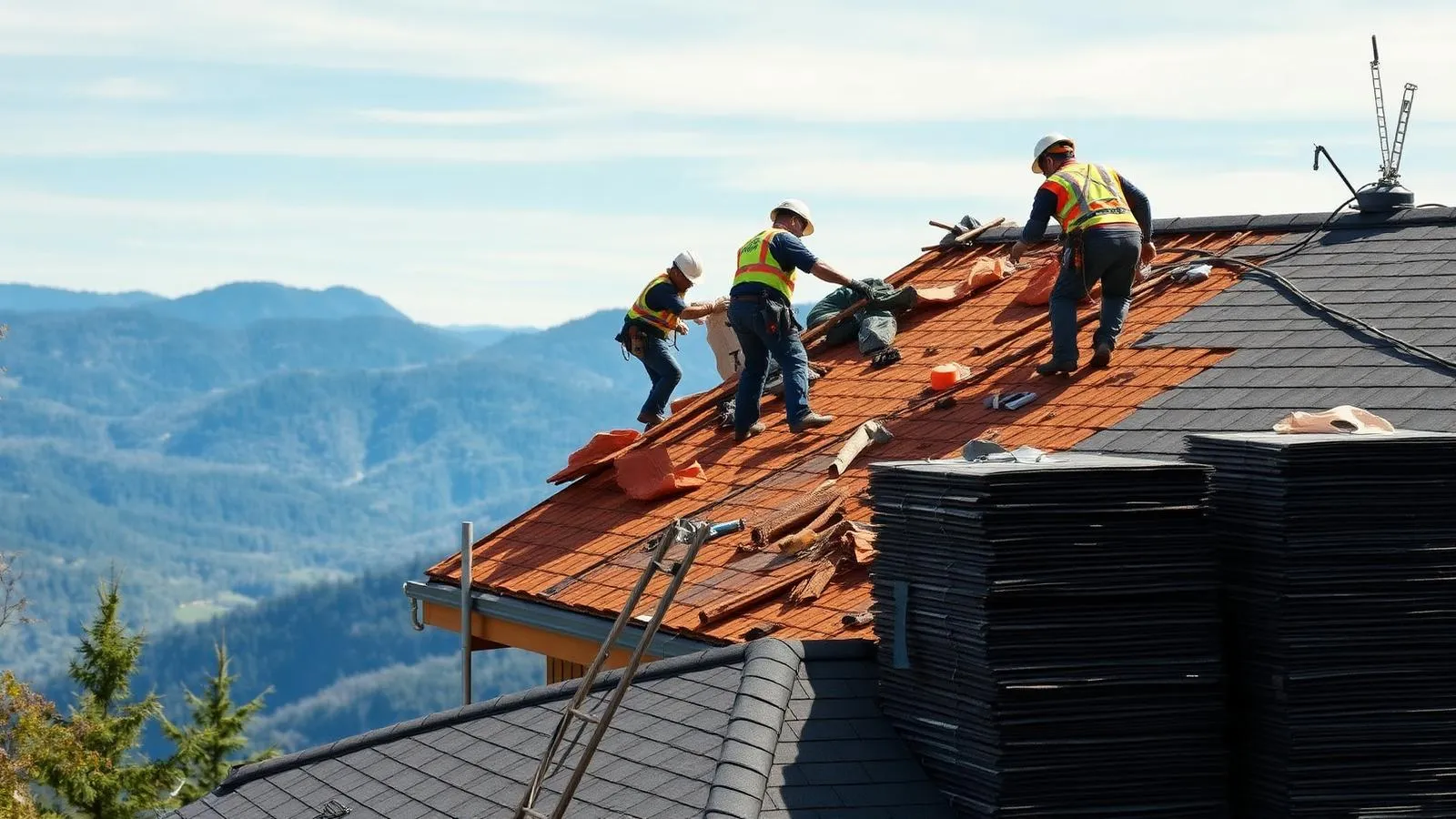
Where pitch, weather, and safety allow, the roof surface gets walked rather than viewed from a ladder. The inspector should be checking:
- Covering condition across every slope, not just the one with the reported problem — granule loss, cracking, curling, blistering, missing or displaced material
- Ridges, hips, and rakes, the most exposed courses and usually the first to fail
- Valleys, for wear-through, debris damming, and how they were constructed
- Every penetration — pipe boots, vents, and any mechanical curbs
- Chimney and sidewall flashing, specifically whether it was properly stepped or face-nailed and caulked
- Drip edge, fascia, and soffit condition
- Gutters and downspouts, including whether capacity matches the roof area and local rainfall
- Skylights, at the flashing kit and the seal
The attic
This is the half most homeowners never hear about, and it is where the diagnosis usually is.
- Decking condition from below: staining, delamination, soft spots
- Daylight at penetrations or seams
- Insulation condition — damp, compressed, or blocking the soffit vents
- Intake and exhaust ventilation, and whether the two are actually balanced
- Rusted nail tips or frost, both signs of condensation
- Signs of past repairs and whether they held
What you should receive in writing
| Deliverable | Why it matters |
|---|---|
| Dated photographs of every finding | Proves condition and gives you a baseline for later |
| Location notes for each photo | Lets anyone else find the same defect |
| Attic and ventilation assessment | The most common root cause of premature failure |
| Itemized written scope | Prevents bundled mystery pricing |
| Urgency ranking | Separates what leaks now from what can wait a season |
| Repair versus replacement pricing when it is close | Lets you decide with numbers, not adjectives |
| Materials named by manufacturer and line | "Premium-grade shingle" is not a specification |
Warning signs
A verdict without photographs. No evidence, no confidence.
Damage that appears during the inspection. Reputable inspectors do not create findings. If you can, be on site.
Pressure to sign today. Legitimate scopes hold long enough for you to think, and to get a second opinion.
A guaranteed insurance outcome. No contractor controls an adjuster's decision. Anyone promising a full approved replacement before seeing the roof is telling you something about themselves.
No attic access requested. An inspector who never asks to see the attic checked half the roof.
Vague material language. Ask for the manufacturer and product line in writing.
After a storm, specifically
Storm inspections should add impact and wind documentation: photographs of impact points and creased shingles, dented soft metals, granule accumulation, a slope diagram, and a scope written in terms an adjuster works in. If active water is entering the home, temporary protection should be installed during that first visit and documented separately from the permanent repair scope.
How often
Every two to three years for a roof in good condition, annually for roofs under heavy canopy or past fifteen years, and after any significant wind, hail, or heavy-rain event. Also before listing a home and shortly after buying one — a documented baseline is worth having on both sides of a transaction.
We document what we find and tell you plainly what it means, including when the answer is that your roof needs nothing. Book a consultation, or read more about roof repair and storm damage response.
Frequently Asked Questions
How much should a roof inspection cost?
Many contractors, including us, provide an on-site assessment at no charge for homeowners considering work. Detailed inspections for real estate transactions or insurance disputes may carry a fee. Ask upfront what is included and whether a report is provided.
How long does a roof inspection take?
Typically 45 to 90 minutes for a single-family home, including the attic check and photo documentation. Larger, steeper, or more complex roofs take longer. An inspection that finishes in ten minutes did not include the attic.
Should I be present for the inspection?
It helps but is not required. If you are not on site — common for second homes in the mountains — you should still receive the full photo set and a written scope you can review remotely and ask questions about.
Related Services
Have your roof looked at in Western NC
Most maintenance issues are cheap to fix and expensive to ignore. We'll tell you which one this is.
- 4.8★ Google · 158 reviews
- Licensed & insured · family-owned since 2017
- Franklin-based crews across 9 WNC counties
Calls are answered by the local team during working hours. Messages get a reply within one business day.
More Western NC resources
Mountain-Proven Results
Written By
Highlander Editorial Team
Highlander Building Services
Expert roofing and construction guidance from the team that builds in Western North Carolina's mountains every day.
Why Highlander
Talk to a local roofer
Photos, findings, and a written scope — no pressure to buy anything.
(828) 524-7773Request an Inspection