
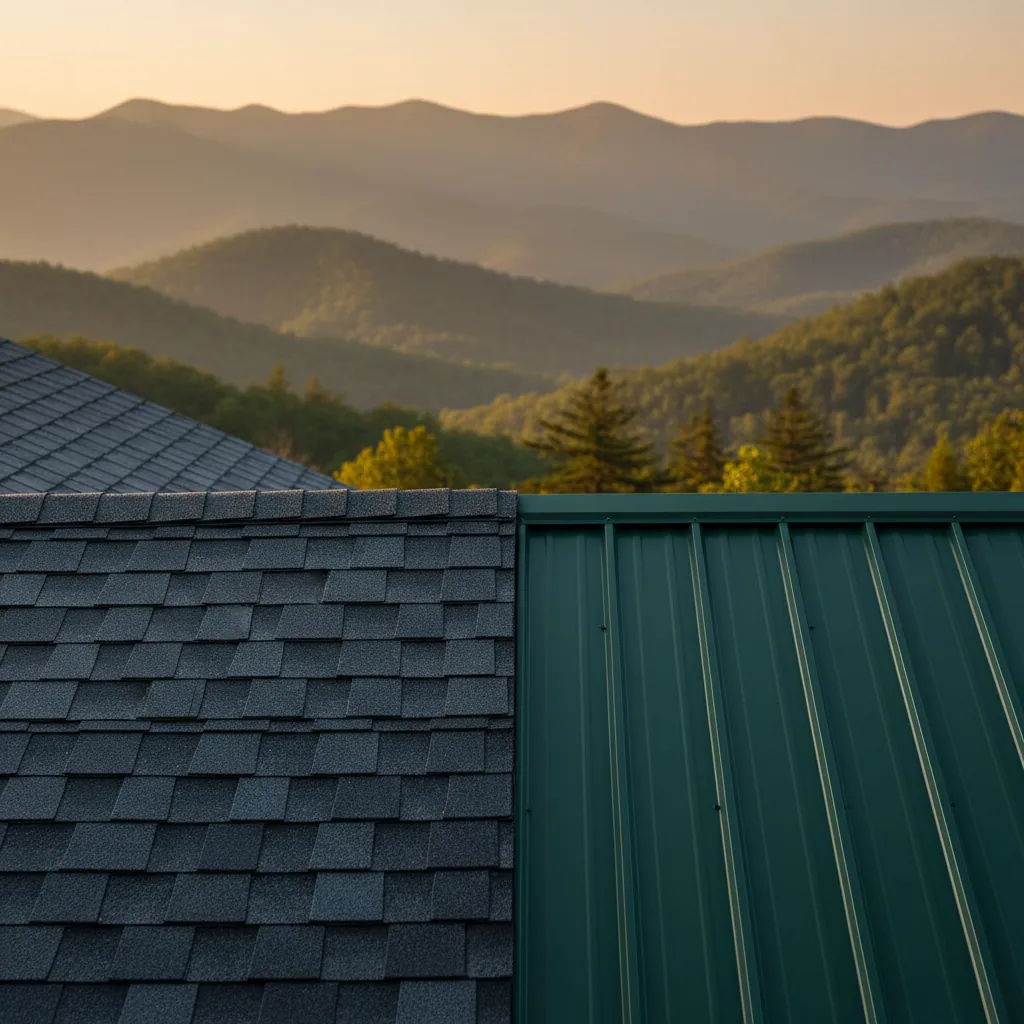
Choosing Materials for High-Elevation Builds
UV, wind, and ice change the rules for material selection. Learn what to pick for homes above 3,500 feet.
Key Takeaways
When you build at 4,000 feet, you're building in a different climate than the valley floor. Materials that look great in a showroom might fail in three years on a ridgetop.
UV Resistance is Priority One
At elevation, the sun is more intense. Standard vinyl siding can warp, and low-grade shingles can become brittle. We recommend fiber-cement siding and high-temp rated underlayments.
Wind-Rated Everything
Gaps in mountains create 'wind tunnels.' Every material — from your roof shingles to your window units — needs to be rated for high-velocity gusts.
The Moisture Battle
High-elevation clouds often 'sit' on the ridges, creating 100% humidity for days. We prioritize materials that don't absorb moisture, like synthetic slate or composite decking.
Expert Guidance
Don't pick materials based on looks alone. Let us help you select a palette that is both beautiful and 'mountain-proof.'
Compare materials on your actual roof in Western NC
Pitch, exposure, and access change what makes sense. We price the real options, not a generic quote.
- 4.8★ Google · 158 reviews
- Licensed & insured · family-owned since 2017
- Franklin-based crews across 10 WNC counties
Calls are answered by the local team during working hours. Messages are answered during business hours.
More Western NC resources
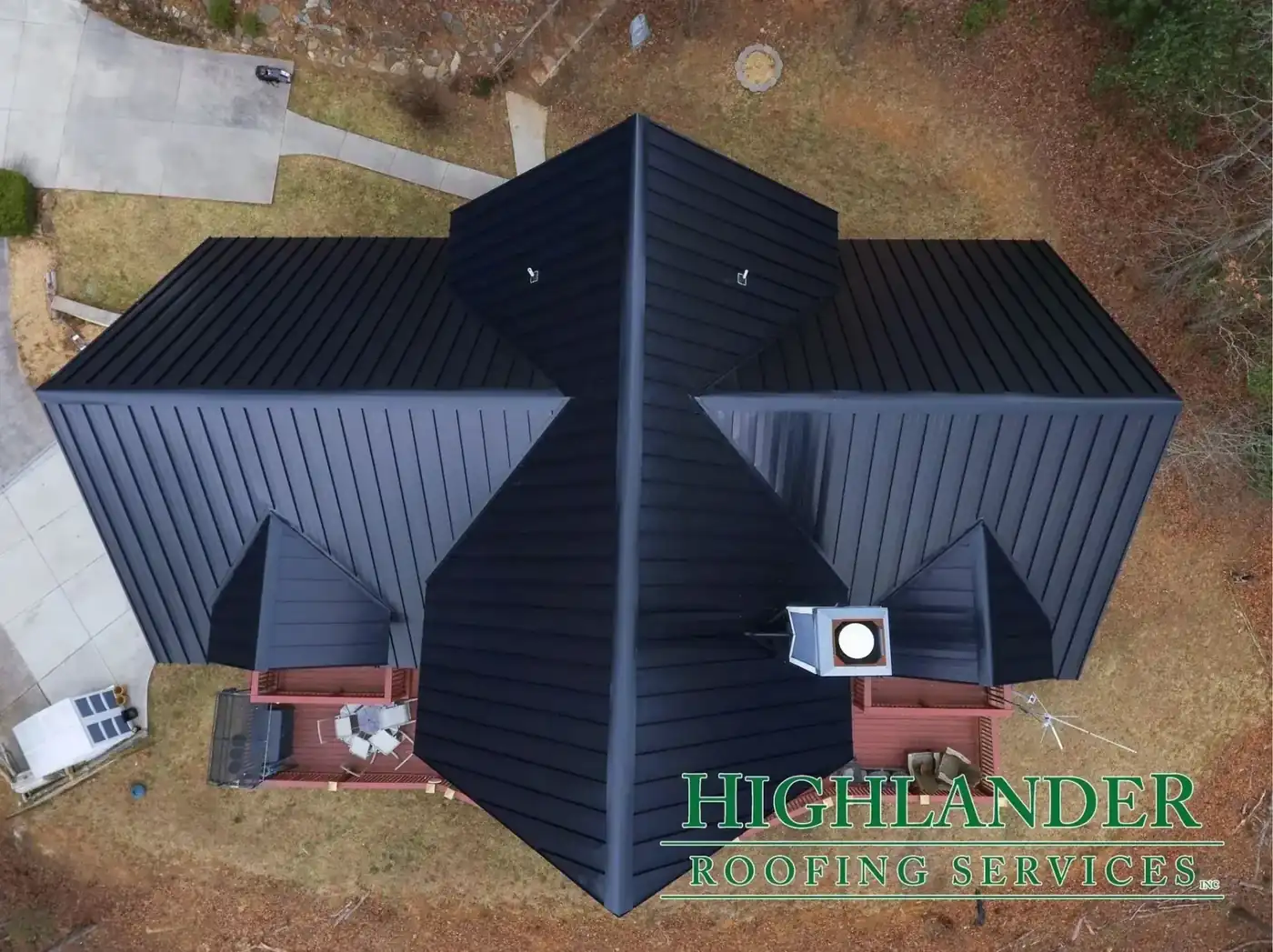
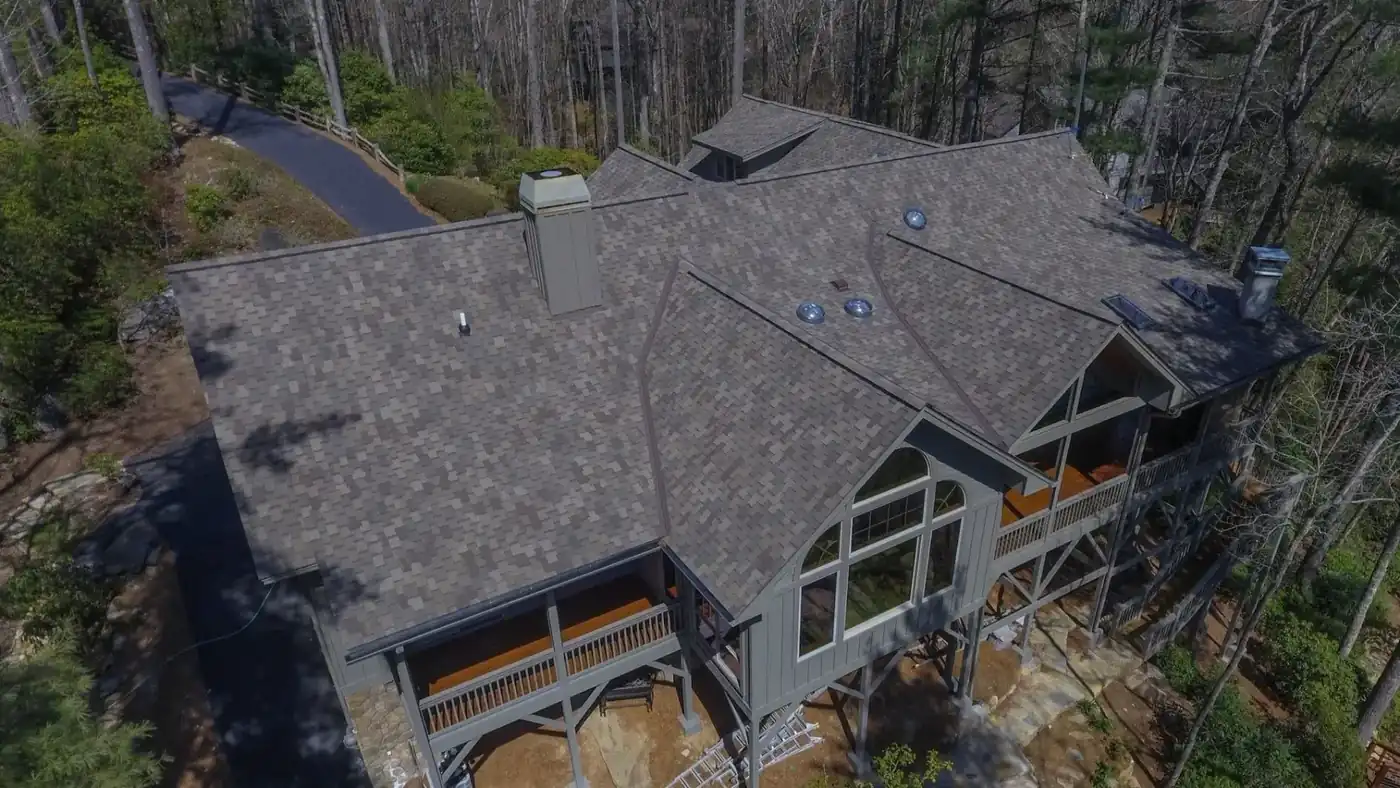
Mountain-Proven Results
Written By
Highlander Editorial Team
Highlander Building Services
Expert roofing and construction guidance from the team that builds in Western North Carolina's mountains every day.
Why Highlander
Talk to a local roofer
Photos, findings, and a written scope — no pressure to buy anything.
(828) 524-7773Request an InspectionStart with three simple contact details.
Roofing or construction, you do not need to diagnose the problem or finish a long intake first. Send your contact details and Highlander will discuss the project with you.
Prefer to talk directly?
(828) 524-7773- 4.8★ Google · 158 reviews
- Licensed and insured
- Crews based in Franklin, serving Western North Carolina